Choosing a Show
The single most important thing about going to the theatre is choosing the right show. A bad match — wrong genre, wrong length, wrong occasion — can put people off for life. A great one creates a theatre-goer for life.
Songs, dance and spectacle. The most accessible starting point for most people. Expect big emotions, memorable tunes and a full company on stage. Think Hamilton, Wicked, Mamma Mia.
Dialogue-led storytelling. Ranges from Shakespeare to modern comedy. Shorter running time, often no interval. Can feel more intimate.
Stand-up, improv or comedic plays. Low pressure, high fun. Great first choice if you're not sure you'll enjoy 'serious' theatre.
Movement tells the story. No dialogue. Visually stunning. The Nutcracker at Christmas is a perfect introduction.
Sung-through stories, usually in Italian or German with English subtitles. Challenging for beginners but transformed when you find one you love.
British theatrical tradition at Christmas. Audience participation, slapstick, local jokes. Brilliant with children — and many adults.
Start with a musical. They tend to have the most accessible stories, the most immediate emotional impact, and the most forgiving atmosphere. If you find yourself crying during a big number you didn't expect to — welcome to theatre.
Booking Your Tickets
Booking is simpler than you might think. Here's how to get the best seats at the best price.
Then look for shows on that date — this is often easier than picking a show and trying to find availability.
The theatre's own website avoids booking fees. For West End shows, we recommend our London Theatre Direct partner link.
Stalls (ground floor, close to stage) give the best view. Circle (first balcony) offers a good overview. Avoid extreme side seats for your first visit.
Students, under-30s, NHS staff, Blue Light Card holders and seniors often get 10–50% off. Day tickets and returns are released on the morning of performance.
Most theatres now accept e-tickets on your phone. Screenshot it in case you lose signal.
Before You Arrive
What to Wear
There is no dress code for most theatres. You won't be turned away for wearing jeans. But theatre is an occasion, and many people enjoy dressing up a little — it adds to the sense of event.
Smart casual. Clean jeans and a nice top is perfectly appropriate. Some people dress up, some come in work clothes.
Great for families and regular visits.
Smart casual to smart. You'll see everything from trainers to evening gowns. A step up from jeans and a T-shirt feels right.
Think what you'd wear to a nice restaurant.
Black tie optional. If you're attending a press night or a gala performance, evening wear is appropriate — but never mandatory.
Check the event details in your confirmation.
Theatres can get very warm — especially during packed performances. Layers are your friend. A light jacket you can remove is ideal. Bring something to tie around your waist for the interval bar queue.
At the Theatre
What to expect from the moment you walk through the door.
You can usually pick up will-call tickets at the box office with your booking reference and a card. Allow 10 minutes if there's a queue.
Staff in the foyer are there to help. They'll show you to your seat, answer questions and let you know about any cast changes posted on the board.
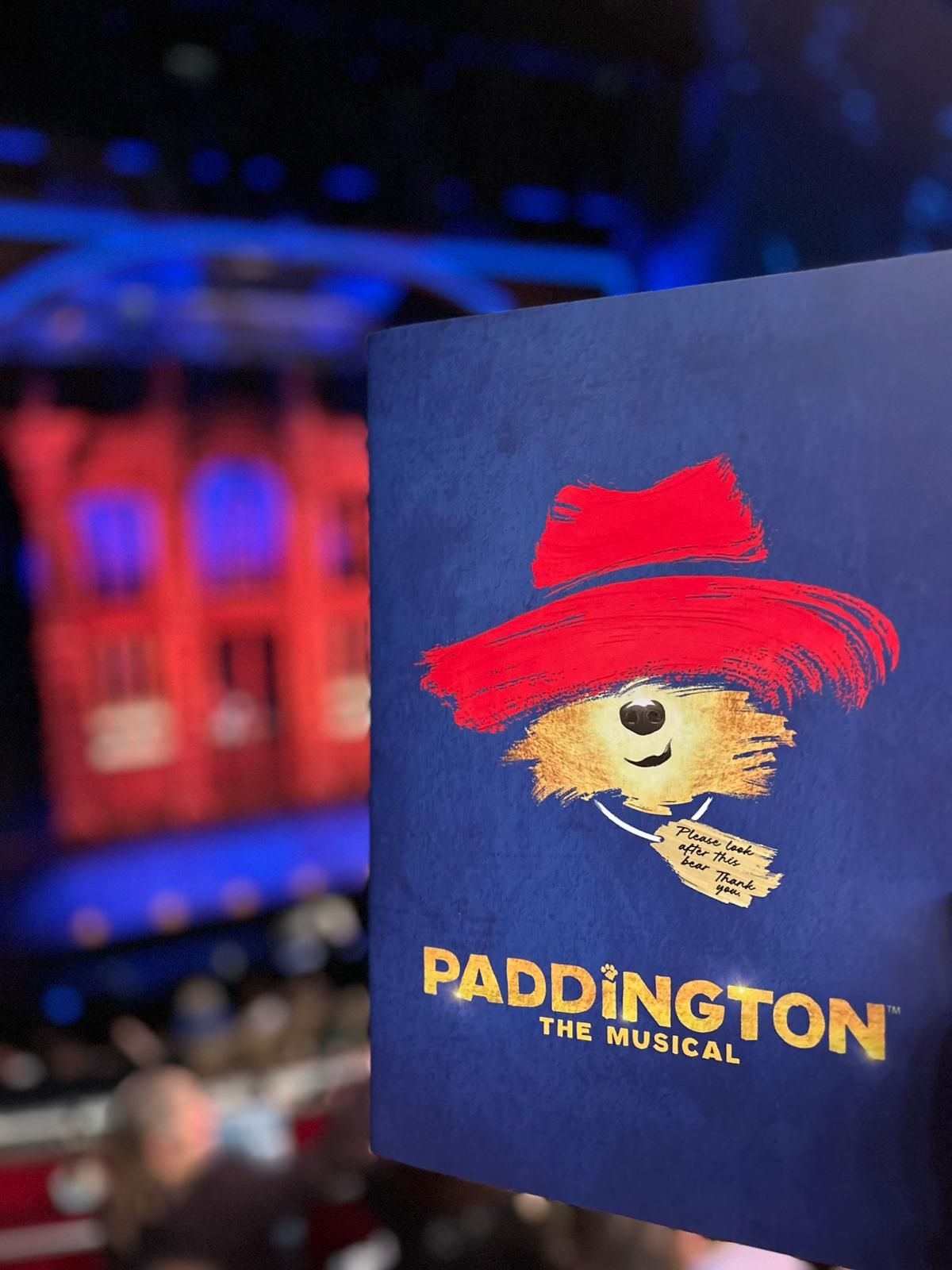
Programmes cost £4–£8 and contain cast bios, the story, photos and creative team notes. A lovely keepsake, especially for your first show.
Theatre bars open before the show and serve drinks you can take to your seat (in plastic cups). Interval drinks can be pre-ordered to collect during the break — ask at the bar when you arrive.
Use the toilets before the show starts. Queues at interval can be 10+ minutes at popular productions. Most theatres have facilities on each level.
Switch it to silent — not just vibrate. A buzzing phone in a quiet dramatic moment is mortifying. Most people take a photo of the stage before curtain-up, then put it away entirely.
During the Performance
Live theatre is a shared experience between the performers and the audience. Here's how to be a great audience member — and get the most from the show.
If you're running late, don't panic — but do hurry. Most theatres will hold latecomers at the back until a natural break. You won't be left outside, but you may miss the opening. Arrive at least 20 minutes before curtain to be safe.
The Interval
Most full-length shows have a 15–20 minute interval roughly halfway through. It's a chance to stretch, drink and discuss what you've just seen.
Rush to the toilets. The queue gets very long. Don't delay.
Bar, ice cream, chat. Pre-order drinks earlier to skip the queue.
Talk about the show. What did you think? Any surprises so far?
The ice cream tub in the aisle is a beloved British theatre tradition. It's almost always overpriced. It's almost always worth it. Get one.
The Curtain Call
When the show ends, the cast comes back on stage to take their bow. This is called the curtain call. Here's what happens:
The lights come down and the stage goes dark for a moment. Stay in your seat and start applauding.
Performers come out in order — ensemble first, then supporting cast, then leads. Each wave is greeted with applause.
The stars take their bow to the biggest applause of the night. This is your moment to show appreciation.
If the audience feels the show was exceptional, people start to rise. You can join if you agree — or stay seated if you don't. Never feel pressured either way.
It's considered rude to leave before the curtain call ends. Wait for the house lights to fully come up. The cast can see you leaving.
Etiquette Guide
Theatre etiquette exists to protect everyone's experience — performers and audience alike. Most of it is common sense, but here are the things people most often ask about.
Accessibility
UK theatres take accessibility seriously. Most major venues offer a range of support services — and it's always worth calling ahead to discuss your needs.
A live narrator describes the visual action through a personal earpiece. Available at most West End theatres on specific performances. Book in advance.
A British Sign Language interpreter on stage or to the side. Specific performances only — check the theatre's website for dates.
Text of dialogue and song lyrics projected, similar to cinema subtitles. Often on a discreet screen. Good for d/Deaf visitors or those with hearing loss.
Reduced sound and light levels, more relaxed house rules (movement, noise). Designed for autistic visitors, those with sensory sensitivities or learning disabilities.
Most modern and refurbished theatres have wheelchair spaces with companion seats. Call the box office to discuss positioning. Stairlifts are common in older venues.
Guide and assistance dogs are welcome at all UK theatres. Let the box office know when booking so they can make space for your dog.
Box office teams are genuinely helpful on accessibility matters. A quick phone call before booking can save a lot of stress on the night. Ask about step-free access routes, toilet facilities, and the best seats for your specific needs.
Best Shows for First-Timers
Our team's recommendations for accessible, crowd-pleasing shows that convert first-timers into theatre regulars.
These four shows have introduced more people to musical theatre than any others. All have universal stories, brilliant songs and audiences that forgive first-timers completely. Book months in advance for the West End.
Laughter is the easiest entry point to theatre. A well-produced farce teaches you what theatre can do with timing and staging. Stand-up comedy at a theatre venue is technically theatre and counts.
Two enduring plays that everyone can follow. An Inspector Calls is taut, urgent and moral. The Woman in Black is genuinely terrifying — in the best possible way.
If you go to one ballet, make it The Nutcracker at Christmas. The music is universally known, the visuals are spectacular, and you don't need to follow any story. Pure sensation.
Starting local has advantages: cheaper tickets, shorter journey, a more relaxed atmosphere, and you're supporting a venue that needs your custom. Kent has some outstanding local productions.
Our highest-rated reviews
Theatres Near You
We cover theatres across Kent, the West End and the South East. Starting local is often the best way to get into the habit of going regularly.
Ready to book your first show?
You've got everything you need. Now the only thing left is picking a show and booking your seat.